

Written by Mike Burnard: Analytical Strategist at dia-LOGOS
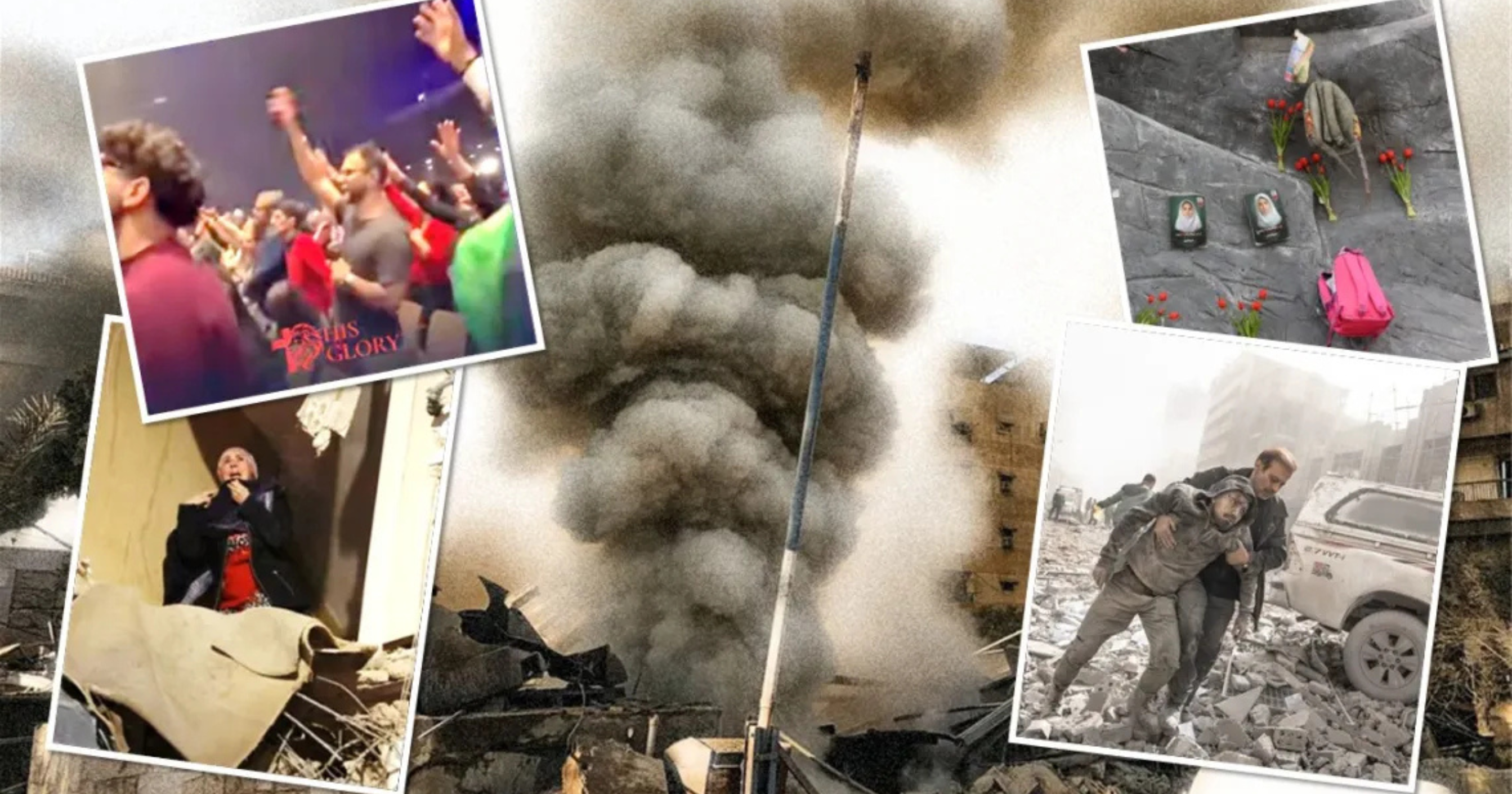
A number of videos are circulating online showing Iranian Christians in Europe and the USA celebrating the recent attacks in Iran, “thanking Benjamin Netanyahu for his actions and for freeing their nation.” The Iranian diaspora claim that the US and Israeli strikes mark the beginning of freedom — insisting that this is what all Iranian believers desire, regardless of the cost. Israel and the United States are presented as liberators, and the devastation is framed as a necessary price for a greater good. “It is the price they are willing to pay,” some Western commentators say, as if speaking on behalf of an entire nation.
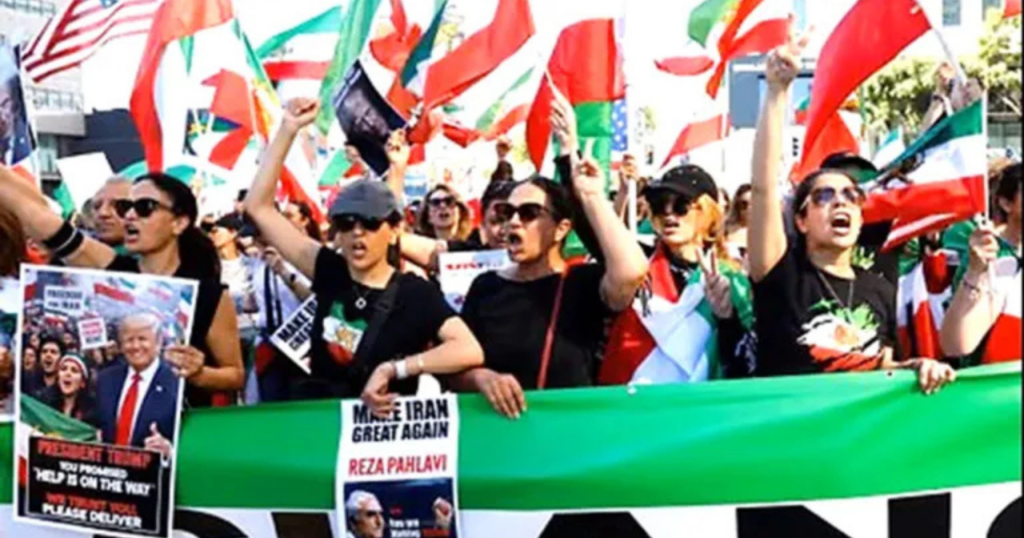
But the cost of freedom cannot be paid by someone else’s blood.
In this narrative, Israel and the USA become the heroes, not aggressors, and those who suffer — believers and non‑believers alike — are portrayed as beneficiaries, not as victims. Present the story this way, and almost any act of violence can be justified. But to use the joy of a few as a political tool to legitimize the killing of innocent citizens in Iran is both unbiblical and morally corrupt.
Standing in the rubble of Tehran with the body of a loved one in your arms tells a different story than that of standing in a church in America praising the Lord in, and for, liberty.
Pastor Ali*, who leads several house churches in Iran through online ministry, shared this account:
“A Christian family in one of Iran’s major cities has lost their father. He had sent his wife and two young children to a safer city, but as he was preparing to leave their home, a nearby bomb explosion took his life. His family is now overwhelmed with grief.”
No joy. No celebrations. No heroes. Only the anguish of an innocent victim caught in a war he did not pray for.
For Iranians living in the West, their longing for freedom is real, and their relief is legitimate and sincere. But their distance from the destruction means they are not the ones absorbing the cost. Their voices — as precious as they are — cannot be used to justify indiscriminate bombing. Peace cannot be born from devastation. This is the central lesson of a Saviour who brought reconciliation not through force, but through forgiveness and self‑giving love.
The “death trap of liberty” being proposed — freedom through destruction — risks enslaving the next generation far more than the current regime ever could. The bombing of a school by the USA/ Israel alliance, killing 160 children, cannot be celebrated – not for the sake of freedom nor for the sake of democracy. We can only weep.
The videos being used to support war do not come from inside Iran. And while those voices may be Iranian by heritage and Christian by faith, they are not the ones burying their dead or watching their neighbourhoods collapse.
In moments of global conflict, the voices of the vulnerable are often the first to be silenced. This is especially true for Iranian Christians and other civilians caught in the middle of escalating violence. It is deeply troubling to see their longing for freedom turned into a moral shield for military actions that have left thousands dead, wounded, or displaced.
Some Iranians abroad may celebrate when strikes weaken the regime they fled. But inside Iran, the reality is starkly different. Families are hiding in fear. Hospitals are overwhelmed. Ordinary people — believers and non‑believers alike — are suffering the consequences of decisions made far beyond their control. Their cry for freedom is not a request for devastation; it is a plea for dignity, justice, and the right to live without oppression.
To use the pain of others as a tool for one’s own political agenda is not only morally questionable — in the language of faith, it is a sin. Scripture warns repeatedly against exploiting the weak or twisting their suffering into a narrative that serves the powerful. When human anguish becomes a vessel of celebration rather than a call to compassion, something sacred is violated.
The longing of Iranian believers for spiritual and political freedom is real. But their suffering must never be weaponized to justify violence that multiplies their grief. True solidarity listens to those who are bleeding, not only to those who are cheering from afar. True justice refuses to turn human pain into political currency.
In times like these, the call of conscience is simple: do not use the suffering of others to sanctify your own agenda. To do so is to betray both Christ and compassion.